Bandaid Size Chart

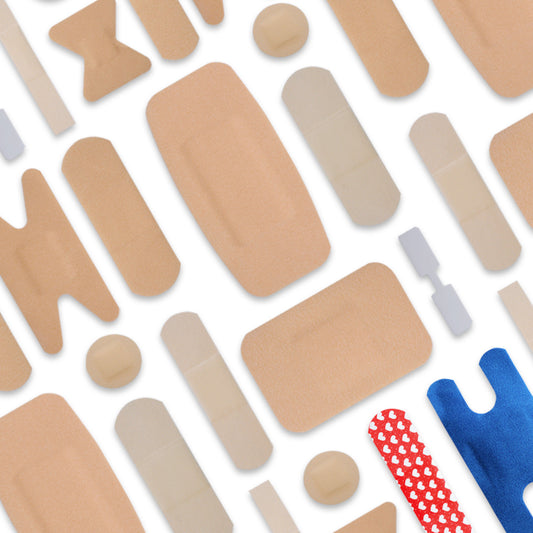
Adhesive bandages protect minor cuts, scrapes, and burns while promoting healing. The Band-Aid® types and size chart outlines common bandage types and their ideal uses. Whether you're working in a factory or playing outside, minor injuries are inevitable. Standard strips suit small cuts, while butterfly closures work well for closing deeper or awkwardly placed wounds. For larger areas, extra-large bandages provide more coverage, and specialized bandages like knuckle or fingertip types ensure hard-to-dress areas are properly protected, giving full flexibility and comfort.
Latex or Latex Free Bandages?
For many years, the bandage material and adhesive that adhesive bandages were made of contained latex. Many people are sensitive to latex, so manufacturers are now removing it from adhesive bandages. However, you should always check the packaging to determine if an adhesive bandage contains latex just to be safe.
Types of Bandage Materials
Bandage materials vary based on flexibility, breathability, and the environments they best serve. Plastic adhesive bandages are ideal for dry conditions, offering a waterproof barrier that shields wounds from moisture.
However, fabric bandages excel in work environments where movement is frequent or contact with grease, moisture, or oils is common. Their flexibility allows them to conform to joints and other hard-to-cover areas, providing a secure fit. Specialty materials, such as foam or silicone-coated bandages, are also available, offering extra cushioning or adherence to sensitive skin without leaving sticky residues.
Types of Bandage Adhesives
The adhesive used on bandages determines their sticking power and potential skin reactions. Traditional zinc oxide-based adhesives are known for their strong sticking ability, but they can leave a white residue and may contain latex, leading to allergic reactions for some.
Newer acrylic-based adhesives offer latex-free options that adhere well without irritating sensitive skin. These adhesives are transparent, leaving less residue behind while maintaining excellent adhesion, even in environments where moisture or oils are present.
Bandage Types & Uses
Adhesive bandages come in all types of sizes and shapes. The Bandaid® Size Chart shows the most common shapes and their sizes. They are used for many kinds of cuts, scrapes, medical treatments, burns, and minor injuries to the skin on virtually every part of the body. Each bandage type listed below includes its size and how it is commonly used.
| Bandaid Types, Sizes & Use | ||
|---|---|---|
| Type | Size | Use |
| Extra Large Patch | 2" x 4 1/2" | knees, elbows, big scrapes, rug burn, strawberry |
| Extra Long Strip | 3/4" x 4 1/2" | finger cuts, rough, wet conditions |
| Junior | 3/8" x 1 1/2" | injections, small wounds, paper cuts |
| Finger | 1 3/4" x 2" | cuts, paper cuts, burns |
| Spot | 7/8" x 7/8" | injections, acne, insect bites |
| Strip | 1" x 3" | any cut, scrape, or burn |
| Knuckle | 1 1/2" x 3" | cuts, scrapes |
| Patch | 2" x 3" | larger cuts, scrapes, burns, and strawberry |
BandAid® is a registered trademark
BandAid® is a registered trademark of the Johnson & Johnson company. MFASCO® is a trademark of MFASCO Health & Safety. The infographic is protected by copyright law.
Copyright © 2018 MFASCO Health & Safety.
All rights reserved. Distribution for commercial purposes is prohibited.

We stock over 130 different types of bandages.
Whether you are shopping for a knuckle, spot, or fingertip bandage, MFASCO Health & Safety is the best source. We stock fabric bandages, plastic bandages, and even bulk bandages. Take a look at our huge selection of bandages here.
Contributing Expert

Mike Brinker
Mike Brinker has been working in the first aid industry for over 35 years. He has worked with thousands of businesses,groups, and organizations to provide a healthy and safe work environment. Mike helped create “Make-A-Kit”, the internet's only online first aid kit creation tool. He has also authored many helpful first-aid and safety-related resource articles found at the MFASCO Learning Center.
Top Products
-
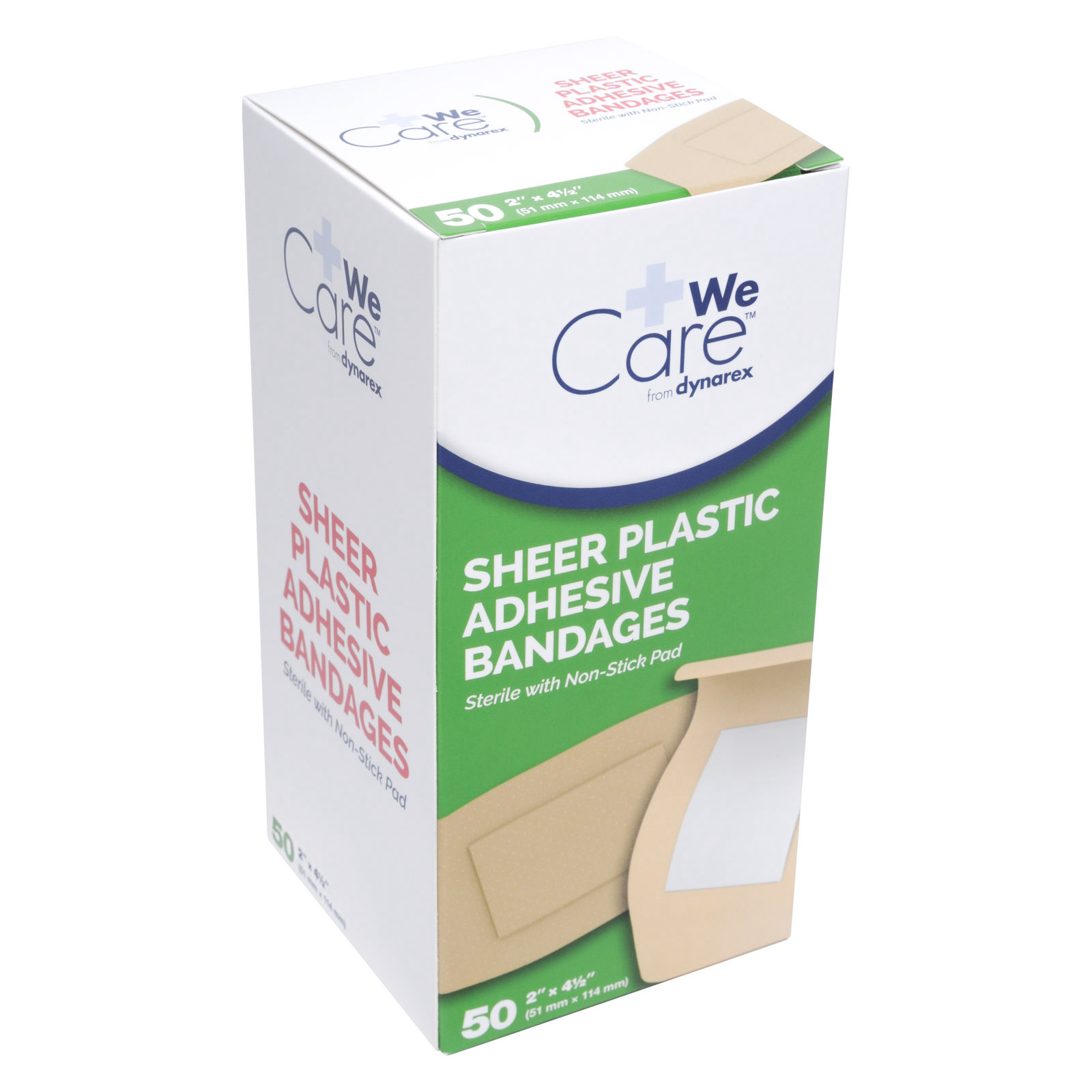
Bandage Plastic Adhesive Extra Large Knee & Elbow 2x4 1/2 50/box
Out of stockRegular price $7.24Regular priceUnit price per$8.52Sale price $7.24 -
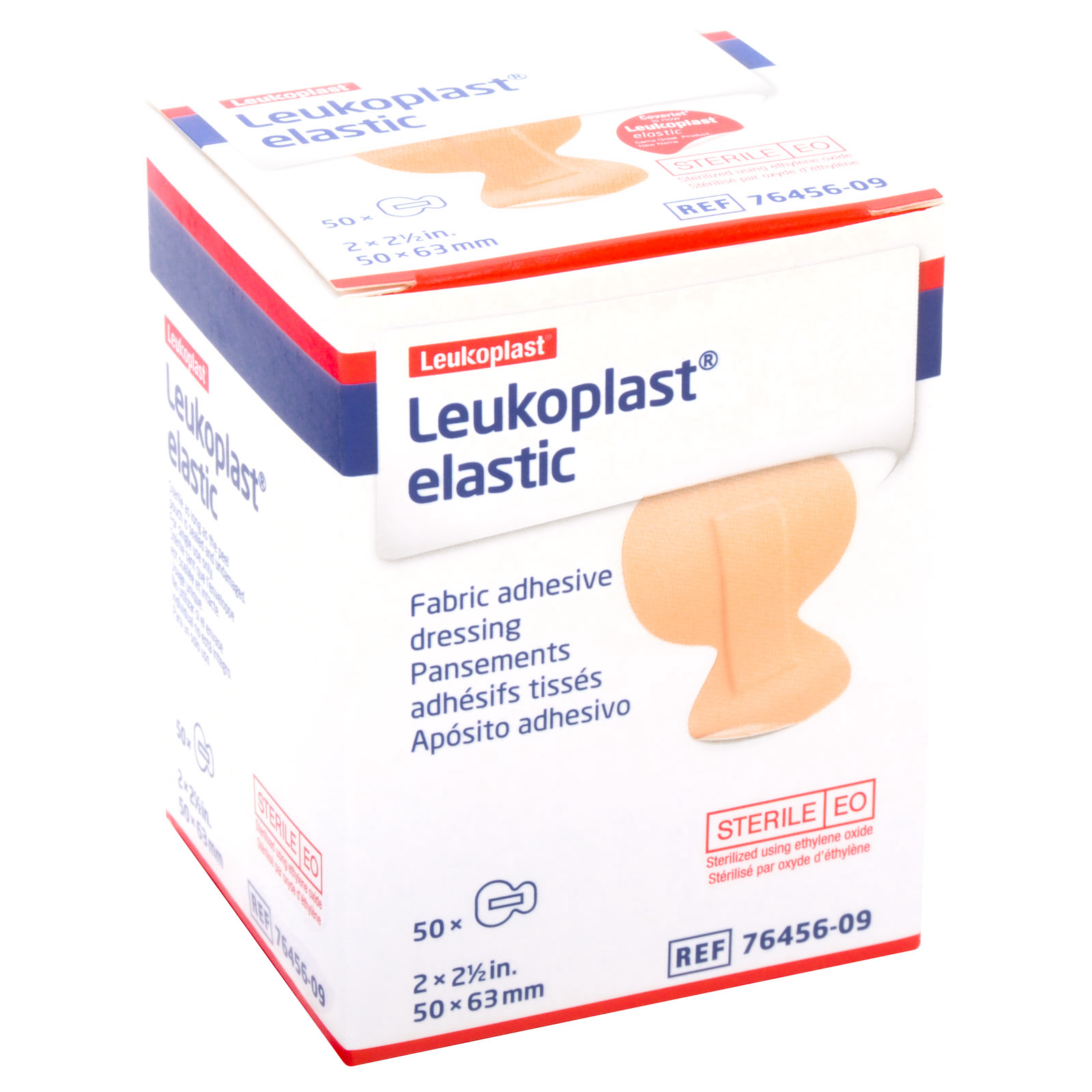
Leukoplast Fabric Elastic Large Fingertip Bandage 50/box
Out of stockRegular price $18.61Regular priceUnit price per$21.89Sale price $18.61 -
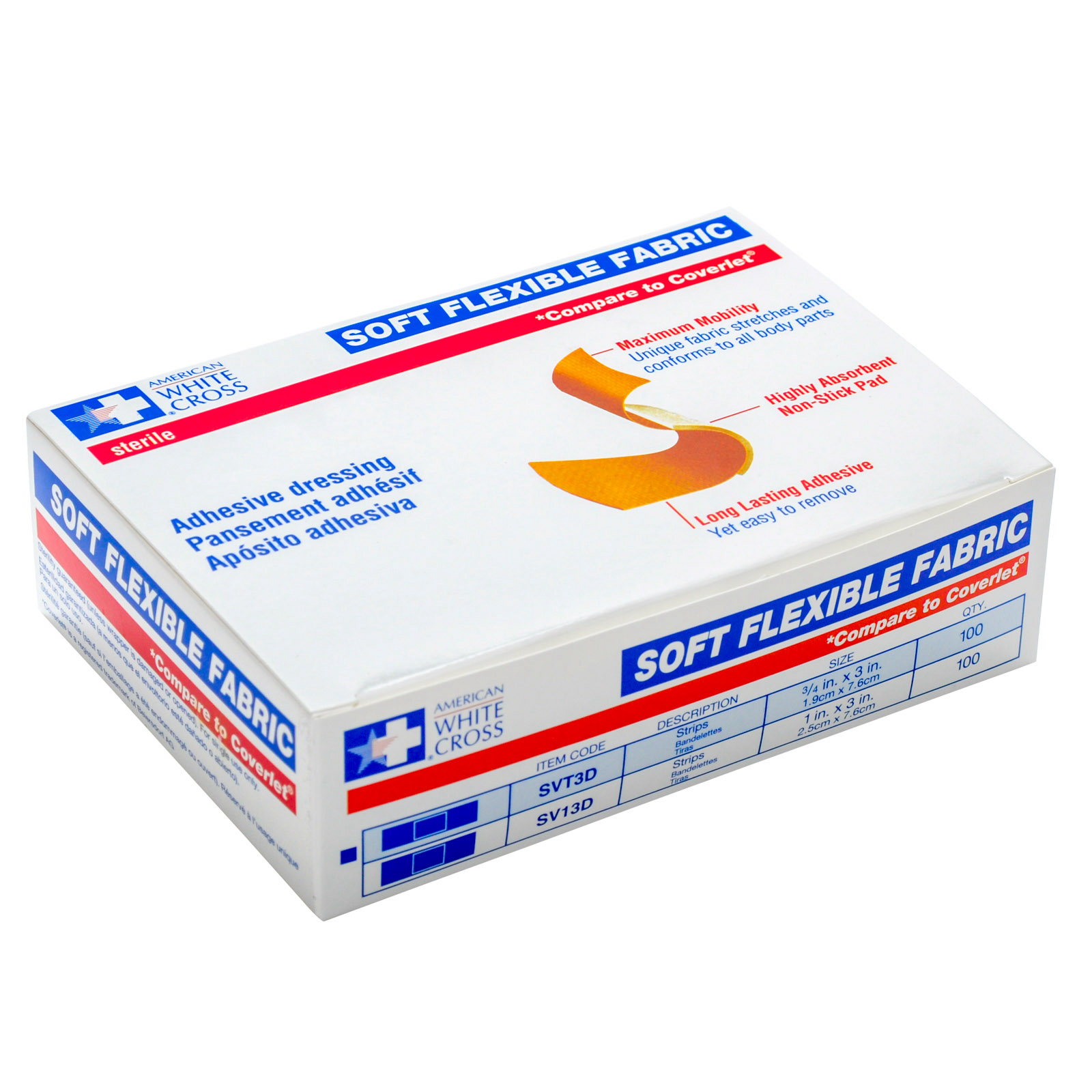
Economy Value Flexible Fabric Bandage 3/4 X 3 100/box
Out of stockRegular price $6.23Regular priceUnit price per$7.33Sale price $6.23 -
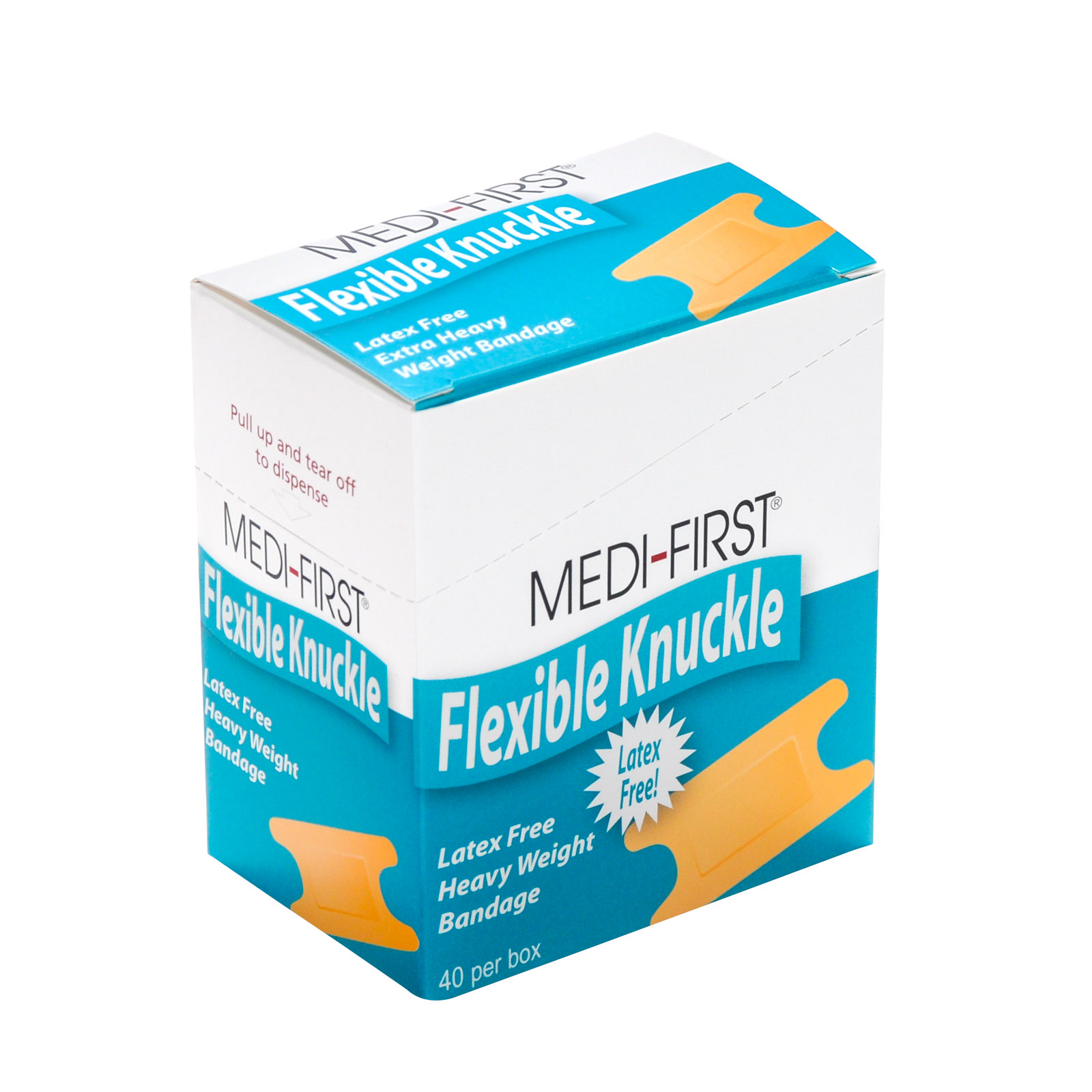
Medifirst Latex Free Extra Heavy Weight Cloth Knuckle Bandages 40/box
Out of stockRegular price $6.15Regular priceUnit price per$7.24Sale price $6.15 -
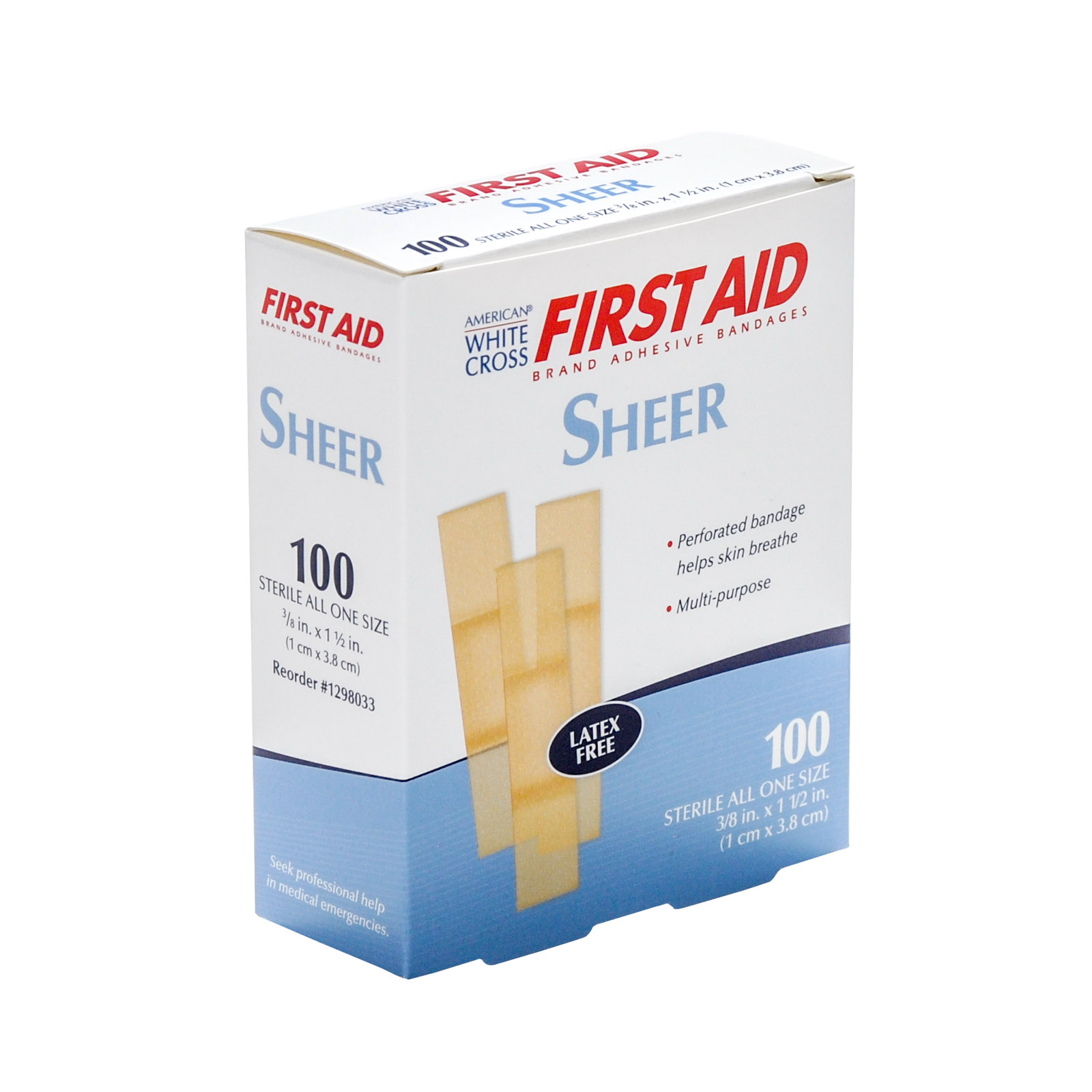
Bandage Junior Size Plastic 3/8 X 1 1/2 100/box
Out of stockRegular price $4.37Regular priceUnit price per$5.14Sale price $4.37 -
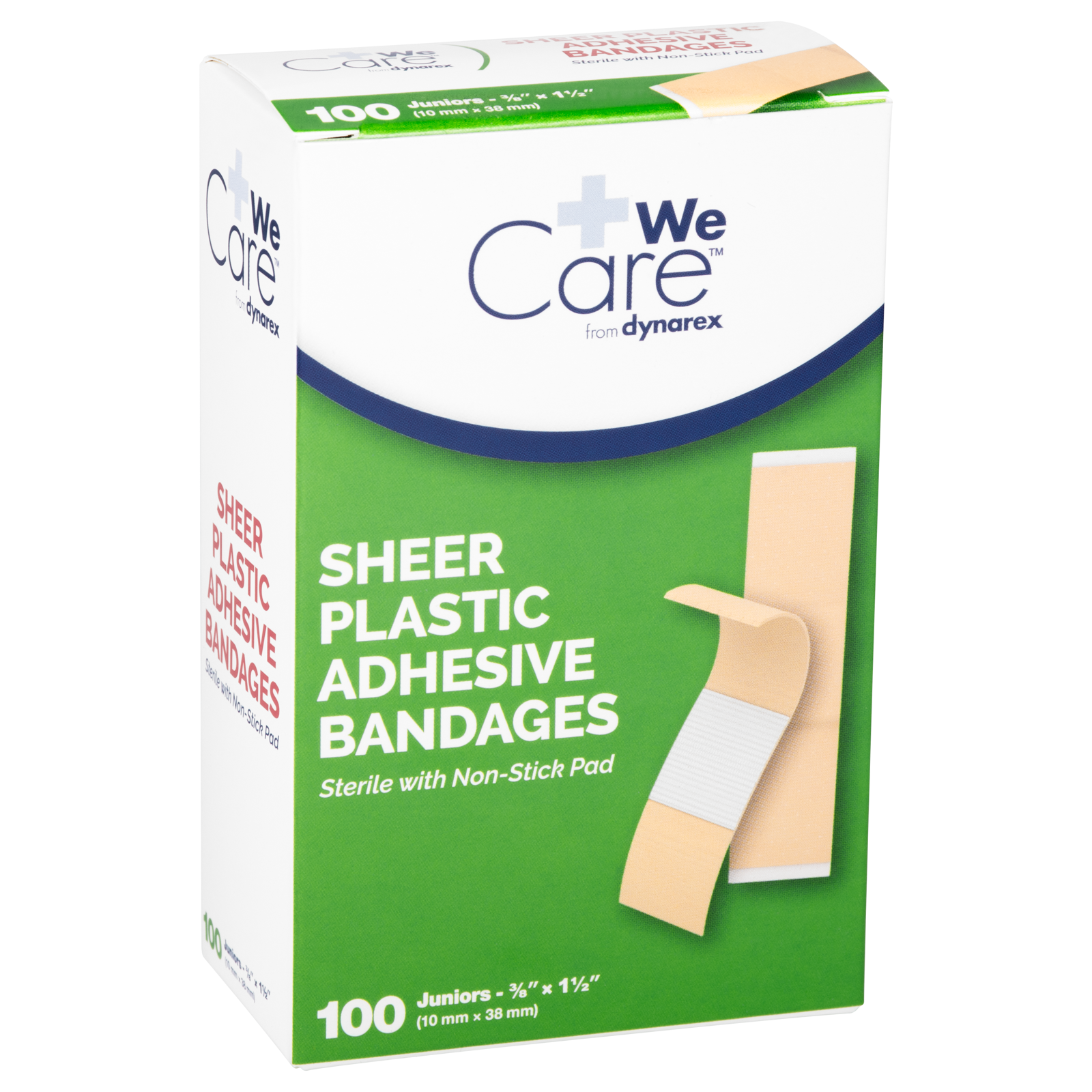
Economy Value Sheer Plastic Adhesive Junior Bandage Strips 100/box
Out of stockRegular price $2.06Regular priceUnit price per$2.42Sale price $2.06